How the Paperback Changed Who Gets to Read
Cheap, portable, good-looking books are a surprisingly recent invention, and they transformed reading.

For much of publishing history, a good book in a good edition was an expensive object.
In 1935 the British publisher Allen Lane launched Penguin Books, selling paperback editions of serious fiction for sixpence, about the price of a packet of cigarettes. Germany's Albatross Books had already shown that handsome, cheap paperbacks could work, and in the United States Pocket Books followed in 1939.
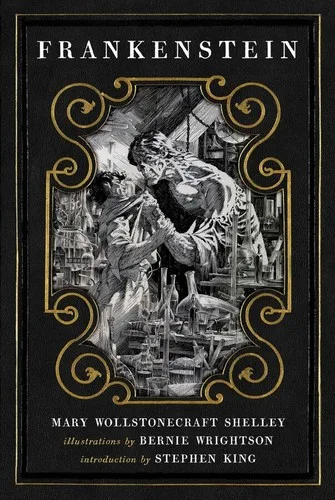
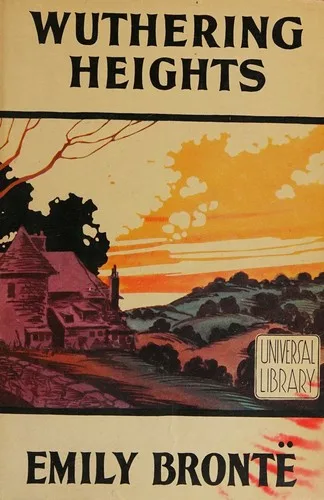
The effect was profound. Literature could now be slipped into a coat and read on a train. Classics such as Frankenstein, Little Women and Wuthering Heights could reach readers who would never have bought them in hardback.
The paperback also helped popular genres to flourish, and it gave us the idea of a book's cover as something designed to catch your eye across a room.